
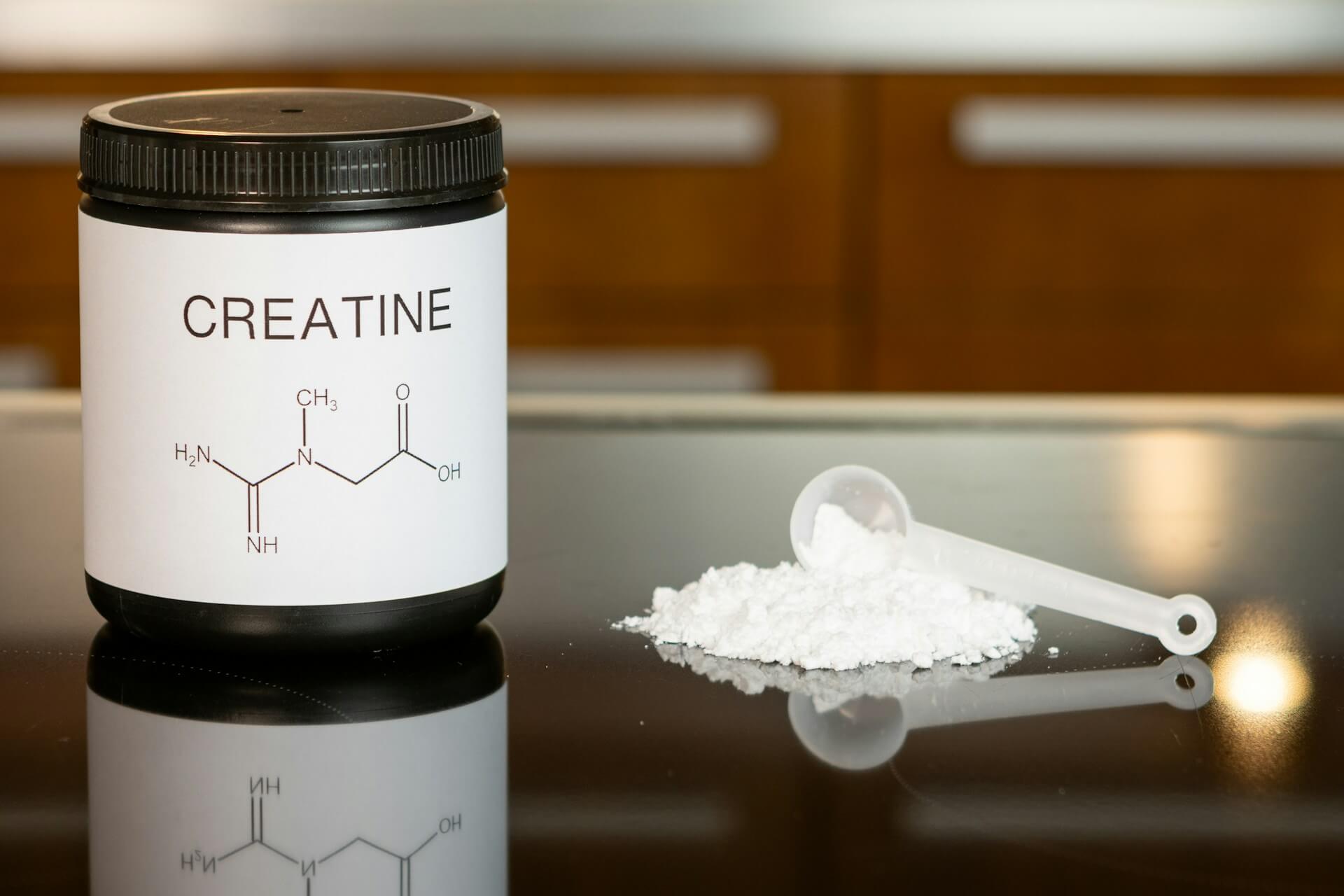
As a functional nutritionist, it is important to provide education and information to help my clients assess what is a fad and what is beneficial for overall health. Creatine has been around for decades to help improve athletic performance by increasing the energy supply (ATP) to muscle tissue, and now we are hearing about the benefits for brain health and memory. Creatine does improve energy supply to the brain which is a muscle that requires a lot of energy.
Also, many women in mid life are considering how to support muscle mass to prevent issues like osteoporosis in the long term. Strength and resistance training are now “trending” and being recommended to women in mid-life to support the maintenance of muscle mass which will decline with the loss of hormones post menopause unless one is actively working to prevent this loss.
I have just started experimenting with Creatine, but since it is early days for me, the jury is still out. I will report back in a few months!
So, today, we are going to talk about all things Creatine. Let’s dive into this topic!
What Is Creatine?
Creatine is a naturally occurring compound that your body produces in the liver and that you also get from eating meat and fish. About 95% of the creatine in your body is stored in your muscles, where it helps produce energy during high-intensity activities. While your body makes some creatine on its own, supplementing with creatine monohydrate can significantly boost your muscle stores and provide numerous health benefits.
Proven Benefits for Exercise and Fitness
Build Strength and Muscle
Creatine is one of the most effective supplements for increasing muscle strength and size. Research consistently shows that when combined with resistance training, creatine helps you lift heavier weights, complete more repetitions, and build more muscle mass than training alone. Studies show that improvements can be seen in as little as two weeks of supplementation.
Enhance Athletic Performance
Creatine excels at improving performance in activities that require short bursts of intense effort, such as sprinting, jumping, and high-intensity interval training. It works by helping your muscles rapidly regenerate energy (ATP), allowing you to push harder during workouts and recover faster between sets.
Boost Endurance Activities
While creatine is best known for strength training, it can also benefit endurance athletes. It is particularly helpful for activities that require repeated surges in intensity or strong finishing sprints, such as cycling, rowing, cross-country skiing, and triathlons.
Benefits Beyond the Gym
Support Brain Health
Your brain uses creatine for energy too. Research suggests that creatine supplementation may improve cognitive performance, especially during mentally demanding tasks, sleep deprivation, or stressful situations. Studies have explored its potential benefits for conditions like depression, particularly in women.
Aid Recovery and Injury Prevention
Creatine may help enhance post-exercise recovery, reduce muscle damage, and support rehabilitation from injuries. Some research suggests it may even have protective effects for concussions and spinal cord injuries.
Benefits for Aging Adults
Older adults can particularly benefit from creatine supplementation. It helps combat age-related muscle loss (sarcopenia), maintains strength, and supports overall physical function when combined with resistance training.
Special Considerations for Vegetarians and Vegans
Since creatine is primarily found in animal products, vegetarians and vegans typically have lower muscle creatine stores. Supplementation has been shown to be especially effective in these populations for improving both physical and mental performance.
How to Take Creatine
Standard Dosing
The most common approach is to take 3-5 grams per day as a maintenance dose. Some people start with a “loading phase” of 20 grams per day (split into 4 doses) for 5-7 days to saturate muscles more quickly, followed by the maintenance dose.
When to Take It
While timing is not critical, taking creatine with carbohydrates or a meal containing carbohydrates and protein may enhance absorption. Consistency matters more than precise timing.
Which Form to Choose
Creatine monohydrate is the most researched and cost-effective form. Despite marketing claims, other forms haven’t been shown to be more effective than monohydrate.
Is Creatine Safe?
Creatine monohydrate is one of the most extensively studied supplements and has an excellent safety profile. Research shows that supplementation up to 30 grams per day for up to 5 years is safe and well-tolerated in healthy individuals.
Common Myths Debunked
- Weight gain: Any initial weight gain is primarily from increased water retention in muscles, not fat.
- Kidney damage: Studies show no adverse effects on kidney function in healthy individuals.
- Dehydration and cramping: Scientific evidence does not support these concerns.
- Hair loss: No convincing evidence links creatine to hair loss,
Possible Side Effects
The most reported side effects are minor and may include:
- Slight weight gain from water retention
- Occasional gastrointestinal discomfort (usually with high doses)
- Nausea or diarrhea (typically during loading phases)
Who Should Be Cautious
While creatine is safe for most people, those with pre-existing kidney disease should consult their healthcare provider before supplementing. Pregnant and breastfeeding women should also discuss supplementation with their doctor, as research in these populations is limited.
The Bottom Line
Creatine is one of the most effective, well-researched, and safe supplements available. Whether you are an athlete looking to improve performance, an older adult wanting to maintain muscle and strength, or someone interested in the cognitive benefits, creatine supplementation offers evidence-based benefits with minimal risk. A daily dose of 3-5 grams of creatine monohydrate is an affordable and effective way to support your fitness and health goals.
0 Comments