
Whatever your goals or vision are for 2026, hydration should be part of the equation. Most people think hydration is as simple as drinking more water. However, if you train hard, sweat often, or live an active lifestyle, you may have noticed that water alone is not always enough.
True hydration happens at the cellular level, and that is where electrolytes come into play. Electrolytes facilitate deep hydration in the body whether you lift, run, cycle, or just want consistent energy throughout the day. It is often about hydrating smarter–not just more.
My daughter is a wildland fire fighter in the summers between college semesters, and the whole team is provided with electrolytes to use daily as they are so crucial for success in this type of work. And in extreme situations like this, drinking too much plain water without replacing sodium and electrolytes can result in hyponatremia which can be a medical emergency. Nope… you do not want to go there!
Personally, electrolytes have allowed me to do longer hikes in warm weather, make sure my bloodwork looks stellar, and support steady energy throughout the day. So, they are one of my favorite supplements with massive benefits and a reasonable price point.
What is Deep Hydration?
Deep hydration refers to the process of delivering and retaining water inside your cells, where it is used for energy production, muscle contraction, and recovery. Drinking plain water replenishes fluids, but without electrolytes, much of that water can pass through your system without efficient absorption. This can lead to symptoms of dehydration even when water intake seems adequate.
What are Electrolytes?
Electrolytes are essential minerals that carry an electrical charge when dissolved in water. They regulate fluid balance, nerve signaling, and metabolic processes. So, in essence, these minerals allow water to move more efficiently in the body, especially into muscle cells.
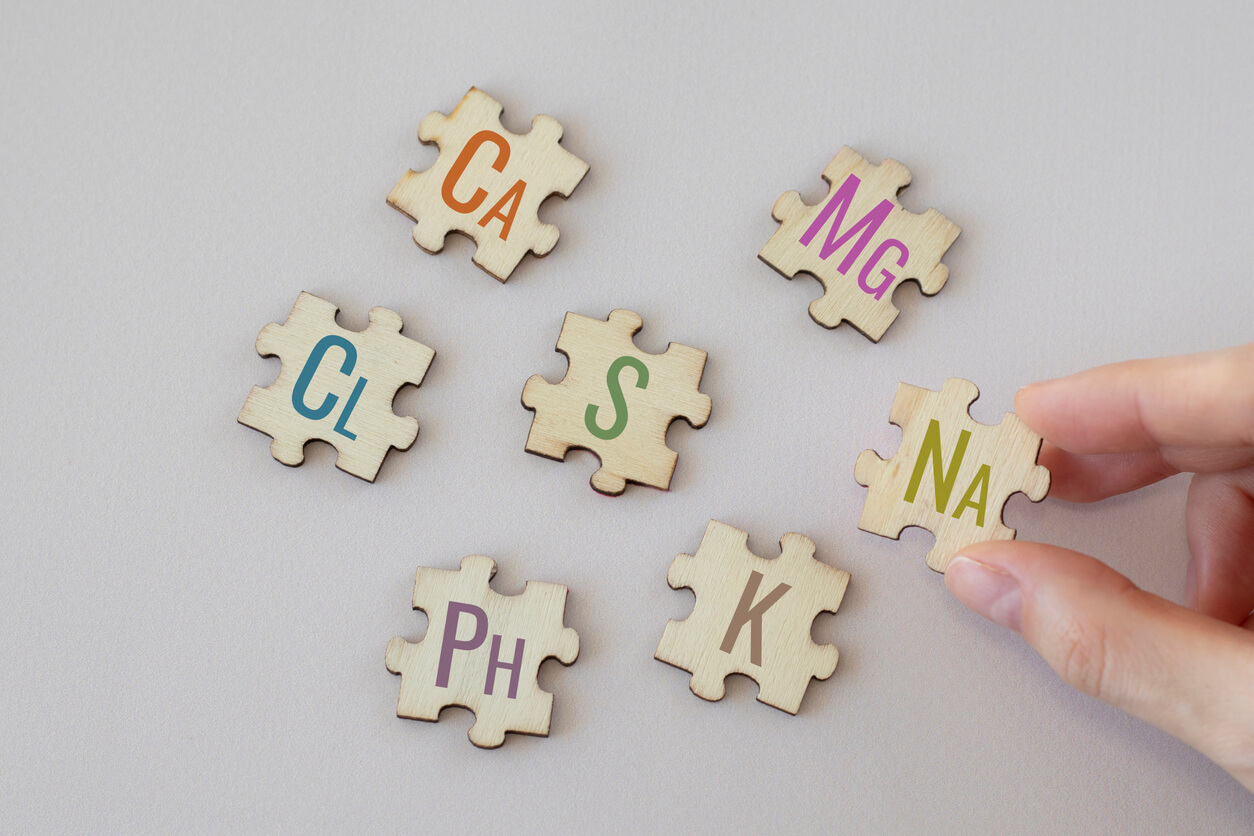
Primary Electrolytes Involved in Hydration:
- Sodium-Helps transport water into cells and maintain fluid volume
- Potassium-Supports intracellular hydration, muscle function, and insulin signaling
- Magnesium-Aids muscle relaxation, energy production, and glucose metabolism
- Calcium-Essential for muscle contractions and nerve communication
- Chloride-Works with sodium to regulate fluid balance
So, hydration depends on electrolyte gradients that drive osmosis by pulling water into cells, helping the body retain fluids, preventing excessive urination during high water intake, and support optimal blood volume during exercise. When we are electrolyte deficient, hydration becomes inefficient, fatigue increases, and cramping and performance decline are likely.
Need an overall primer on hydration? See my blog post below:
https://ellensyversen.com/beating-the-dehydration-blues
What are Signs of Electrolyte Deficiency?
- Persistent thirst despite adequate water
- Muscle cramps or weakness
- Headaches or brain fog
- Fatigue during workouts
- Dizziness or lightheadedness
- Poor workout recovery
You might be wondering if you can get electrolytes from whole food sources. The answer is a resounding yes! You can find potassium in bananas, avocados, oranges, and sweet potatoes. Magnesium is abundant in leafy greens, nuts, and seeds. Calcium is found in sardines and canned salmon with bones, dark leafy greens, dairy products, plus tofu and almonds. Sodium and chloride are found in sea salt and fermented foods.
In addition to whole foods, coconut water is a natural electrolyte drink which I highly recommend. It does contain natural sugars, so it is not a calorie free drink. However, it contains essential minerals like potassium, sodium, magnesium, and phosphorus, making it great for replenishing fluids lost during exercise or illness. One cup provides more potassium (supports heart, nerve, and muscle function) than a medium sized banana. I do recommend reading coconut water labels to make sure there are no added sugars. It can also be found in a powder form for convenience and portability.
The problem is that many individuals do not eat adequate amounts of whole foods to support electrolyte balance. Another issue is that we need constant amounts of these minerals daily. So, when you are traveling, working out first thing in the a.m., ill, engaging in prolonged exercise like a long hike, following a keto diet, fasting often, taking prescriptions that affect mineral balance like blood pressure mediations, live in a warm climate, sauna often, or are a senior citizen with a reduced appetite, it is hard to get enough from your diet.
Another issue that is rarely mentioned is the role of electrolytes in metabolic health and insulin sensitivity. A 2019 study revealed that 88% of Americans are metabolically unhealthy. The metrics examined in this study looked at blood pressure, fasting glucose, triglycerides, BMI/waist circumference, and HDL vs. LDL cholesterol. This makes absolute sense to me as many of my clients struggle with blood sugar and other metabolic concerns. So why not take advantage of electrolytes to help support healthy metabolism?
How do Electrolytes Support Insulin Sensitivity and Metabolic Health?
- Magnesium is essential for insulin signaling and glucose uptake in muscle cells. Low levels are associated with insulin resistance.
- Potassium supports glucose transport into cells and helps regulate blood sugar levels.
- Calcium is important for muscle response to nerve impulses which tie into overall metabolic health.
- Proper hydration overall improves muscle glycogen storage, making muscles more responsive to insulin after workouts, and it also supports appetite and cravings, fluid balance to prevent “water weight gain,” and optimized cellular energy.
Now, you might be asking if you must purchase an electrolyte supplement.
For a homemade electrolyte drink try this recipe:
-2 cups of water with 2 tbsp of lemon or lime juice
-1/4 teaspoon of sea salt
-1 tbsp of natural sweetener like honey or maple syrup
-Add coconut water for the potassium
I love offering DIY options, however, if your comprehensive metabolic panel (CMP) shows that certain electrolytes are low, it would be helpful to purchase a supplemental electrolyte, so you know exactly what minerals are in the mix. In this scenario, look for balanced mineral ratios, low or no added sugar, and avoid artificial dyes or fillers.
For best results use electrolytes before, during and after a workout and make sure to pair electrolytes with water. You can adjust your intake based on the season, the intensity of your workout, and your energy levels. It takes trial and error to figure out what is right for you as everyone will be different based on the factors I have discussed in this blog.
In conclusion, the key benefits of electrolytes are improved cellular hydration, increased energy and reduced fatigue, better muscle function and fewer cramps, better endurance and recovery, enhanced nerve signaling, improved insulin sensitivity, support for heart rhythm and circulation, and better focus and mental performance. WOW! That is a whole lot of benefits in one new habit. Give electrolytes a shot and let me know how you feel!
If you need further guidance, feel free to book a free 20-minute discovery call below.
0 Comments